Are HOA fees in Southern Highlands confusing you? You are not alone. Between a master association, neighborhood sub associations, and optional club memberships, it can be hard to know what you are paying for and why. In this guide, you will learn how fees are structured, what they typically cover, which amenities offer the most value, and the key questions to ask before you buy or sell. Let’s dive in.
Master vs. sub associations
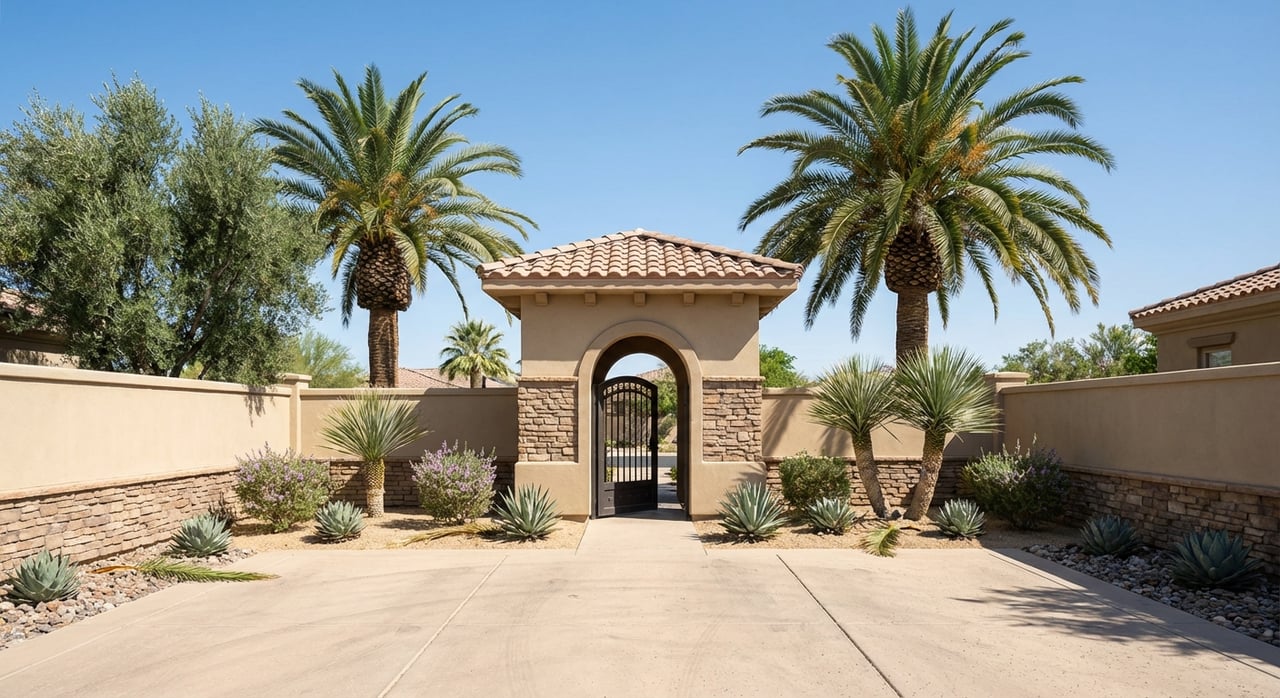
Southern Highlands is a master‑planned community with two layers of governance. The master association oversees community‑wide items like gates, major parks, trails, entry landscaping, and some security services. Many neighborhoods also have a sub association that handles local items, such as small parks, architectural reviews, and in some cases exterior maintenance for condos or townhomes.
When you compare homes, total both fees. You may pay a master HOA fee plus a separate sub‑association fee. The master level shapes the overall community experience, while the sub level controls day‑to‑day rules and neighborhood‑specific services.
How fees are set
Boards set annual budgets for operating costs and rely on reserve studies to plan for long‑term repairs and replacements. Dues can rise to cover inflation, contract increases for landscaping and security, or to strengthen reserves. If reserves fall short or an unexpected expense hits, associations can levy a special assessment or borrow, which creates one‑time costs for owners.
A healthy reserve balance and a current reserve study are strong signs of stability. Meeting minutes and budget notes often preview future projects that could affect dues.
What master fees cover
Master association assessments in Southern Highlands typically fund community‑wide needs. Common inclusions:
- Security and gated access operations
- Common‑area landscaping, medians, entry monuments, and seasonal decor
- Major parks, trails, signage, and some community events
- Community centers, pools, fitness facilities, and related staffing or maintenance
- Common‑area lighting and, in some private sections, select street maintenance
Coverage can vary by neighborhood. Confirm inclusions for the area you are considering.
What sub‑association fees cover
Sub associations handle neighborhood‑level services and standards. Typical items include:
- Neighborhood pool upkeep or small pocket parks
- Architectural review and design standards for exterior changes
- Exterior building components for condos or townhomes, such as roof or facade maintenance
- In some buildings, certain shared utilities for common areas
Trash and recycling are usually provided by municipal services. Ask whether any private pickups are included or billed separately.
What fees do not cover
Certain costs fall outside standard HOA assessments. Be prepared for:
- Separate private club dues. The Southern Highlands Golf Club is typically a separate entity, and membership or green fees are not covered by HOA dues.
- Individual home expenses such as interior maintenance, most private landscaping, and your personal insurance policy.
- Utilities to your home, including water, gas, and electricity.
- Municipal services like police and fire, unless your HOA contracts for additional services.
Always confirm inclusions and exclusions in writing before you commit.
Amenities that deliver value
Value depends on how you live. Use this practical framework when you compare communities in Southern Highlands:
- High broad value:
- Security and gated access for privacy and consistent standards
- Well‑maintained landscaping, trails, and parks that lift curb appeal
- Accessible, well‑run community clubhouse and pools
- Moderate value:
- Fitness centers, tennis or pickleball courts, and sports fields for active lifestyles
- Community events and social programming for those seeking connection
- Conditional value:
- Golf course adjacency can add views and prestige, but membership is separate and not essential for every buyer
- Large luxury amenities that see limited use may drive fees without benefiting all owners
If an amenity matters to you, check how often it is used and what it costs to operate. Underused amenities with high operating costs can push dues up.
Quantify amenity value
You can evaluate whether an amenity is worth it by asking for simple data:
- Utilization: seasonal pool attendance or signup numbers for programs
- Per‑home cost: divide an amenity’s annual operating expense by the number of homes
- Comparables: review similar Las Vegas communities to see if fees align with amenity quality
These quick checks help you match costs to your lifestyle and expectations.
Compare total housing cost
When you shop for a move‑up home, compare your full monthly picture, not just mortgage and taxes. Use this checklist:
- Mortgage principal and interest
- Property taxes and homeowner’s insurance
- Master HOA fee
- Sub‑association fee, if any
- Separate private club memberships, if relevant
Normalize the timing of dues. If one association bills quarterly and another monthly, convert to the same basis. Ask about any transfer or capital contribution fees paid at closing.
Questions to ask before you buy
Use these targeted questions to reduce surprises:
- What are the current master and sub‑association dues? Are they paid together or separately?
- Are any special assessments pending or recently approved at either level? Who pays and when?
- What is the reserve balance, and what does the most recent reserve study recommend?
- What major capital projects were completed recently, and how were they funded?
- What is the delinquency rate, and what is the collection policy?
- Is there any pending litigation or regulatory action?
- Which amenities require separate membership or fees, such as the golf club? What are guest or usage policies?
- Are there rental or short‑term rental restrictions or owner‑occupancy minimums?
- Who maintains private streets or curb‑to‑curb areas?
Documents to request
Ask for a complete resale package or estoppel certificate for both the master and any sub association. Key items include:
- CC&Rs, Bylaws, Rules and Regulations, and Articles of Incorporation
- Current budget and the most recent financial statements
- Reserve study and reserve fund ledger
- Board meeting minutes for the last 12 to 24 months
- Insurance certificate for association policies
- List of planned capital projects for the next 1 to 5 years and funding sources
- Any recent audit or accountant review
- Collections policy and summary delinquency data
- Disclosure of pending litigation
Reviewing both layers is essential because a risk at either level can affect your ownership costs and resale.
Nevada rules to know
Common‑interest communities in Nevada follow Nevada Revised Statutes Chapter 116. These rules cover governance, assessments, disclosures, lien rights, and resale certificates. Associations must follow set procedures for meetings and budgets, and buyers typically receive estoppel documentation that shows dues and any pending assessments.
Red flags to watch
Protect your budget and future resale by spotting early warning signs:
- Low reserves paired with visible deferred maintenance in minutes or inspections
- Repeated special assessments without a long‑term funding strategy
- Rising delinquency or collection issues
- Significant or ongoing litigation
- Fuzzy lines between master and sub responsibilities that create surprise costs
- High‑cost amenities with low utilization
If you see one or more of these, dig deeper before you proceed.
Southern Highlands quick tips
- Always total master plus sub‑association dues when you compare communities.
- Confirm that any golf or club access is separate from HOA dues.
- Ask for recent minutes to spot upcoming projects that could affect fees.
- Tie amenities to your lifestyle. Pay for what you will actually use.
- Consider lender requirements for condos, including reserve strength and delinquencies.
Ready to evaluate a specific home in Southern Highlands? Get a property‑specific breakdown of fees, documents, and amenity value tailored to your goals. Connect with MARY JAY YUSUF for a focused, investor‑informed review.
FAQs
What HOA fees exist in Southern Highlands?
- Many homes have two layers of dues: a master association fee and, if applicable, a neighborhood sub‑association fee. Always add both for a true comparison.
What do master HOA dues typically cover?
- Master dues often fund gates and security, common landscaping, major parks and trails, community centers, and some lighting or street upkeep in private sections.
Are golf memberships included in HOA fees?
- No. The Southern Highlands Golf Club usually operates separately, so memberships and green fees are not included in HOA assessments.
How are HOA dues set or increased?
- Boards adopt annual budgets and use reserve studies to plan for long‑term costs. Dues can rise for inflation, contracts, service levels, or reserve needs.
What is a special assessment and why does it happen?
- A special assessment is a one‑time charge when reserves are not sufficient or an unexpected expense occurs. It can happen at the master or sub level.
Which documents should I review before buying?
- Request the resale package or estoppel for both associations, including CC&Rs, budgets, financials, reserve study, recent minutes, insurance, and any litigation disclosures.